Gluten-Free Classic Chicken Piccata
Oh my God! I have to make something gluten-free? What the heck is gluten? Is it dangerous? Are these gluten-free people in some sort of a cult?
Who are these nutty people? You may think that people who say “I don’t or can’t eat gluten” are on some fad diet or something, but no—it is a real problem! It is a lifelong food challenge for a loved one or a friend with Celiac disease or a high sensitivity to gluten.
I had to cook for my new sister-in-law and decided to do some research. So, I studied gluten for a couple of days and realized it’s not that hard to make the adjustments.
The hard part has been to make up for what you lose in a dish using “Certified Gluten-Free” products. Many of us have friends or family who are sensitive to gluten.
I wanted to make my “Classic Chicken Piccata” recipe into a gluten-free option since my brother’s wife suffers from Celiac disease. However, I still wanted everyone else to enjoy the recipe’s taste and appearance without knowing the difference.
Adding and making a few small ingredient changes and additions can make up for the lost flavor profile and food presentation you may lose using gluten-free ingredients. To save you the two days I spent studying, please take the time to read the “About Gluten” section and it will help you when you go shopping.
This one’s for you, Susan!
About Gluten
What is Gluten?
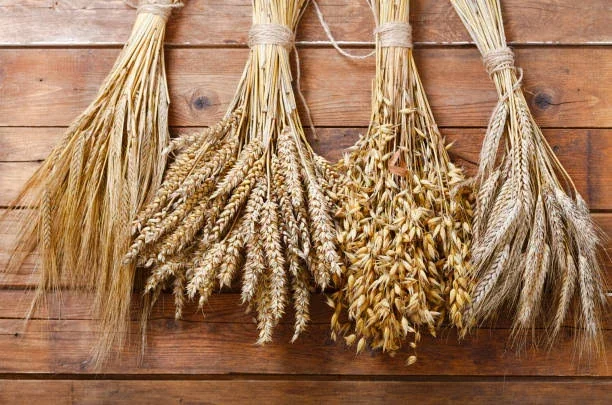
Gluten is simply a protein group found in grains like wheat, barley, and rye. In traditional cooking, it acts like an invisible, stretchy web that helps dough rise and gives bread and pasta its signature chew.
In skillet recipes like pan sauces and dredges, wheat flour is commonly used for browning and thickening. Luckily, swapping wheat flour for a 1-to-1 gluten-free flour blend—along with adding some cornstarch to help brown the chicken—will keep your cutlets golden brown without sacrificing flavor.
Watch Out for Hidden Gluten!
Going gluten-free isn’t just about swapping the flour. Gluten can sneak into everyday pantry staples under technical names or through shared factory equipment.
Look out for terms like yeast extracts, autolyzed yeast, maltodextrin, and hidden flavorings on the package.
Shared Equipment and Cross-Contamination
Standard products might contain safe ingredients but are processed on the same lines as wheat-based foods. This can also easily occur in your kitchen, on the grill, or with any cookware you have previously used for gluten-containing food products.
All kitchen equipment should start clean and fresh, and this includes your kitchen towels! If you are making a gluten-free dish for someone at your party, always prepare it first before making any other dishes.
The Solution: Look for the Certified Gluten-Free Seal
To ensure a recipe is 100% safe for Celiac disease or high gluten sensitivity, don’t just rely on a standard “gluten-free” label, which is where those sneaky ingredients can hide. Under FDA regulations, a “gluten-free” label means a product must contain less than 20 parts per million of gluten.
A “Certified Gluten-Free” product must contain under 10 ppm—or in some instances under 5 ppm—of gluten. Look for the “Certified Gluten-Free” label on all your food purchases, keeping in mind that the seal can sometimes be hidden on the packaging. This guarantees the product has been independently tested and verified clean of gluten.
About the Recipe
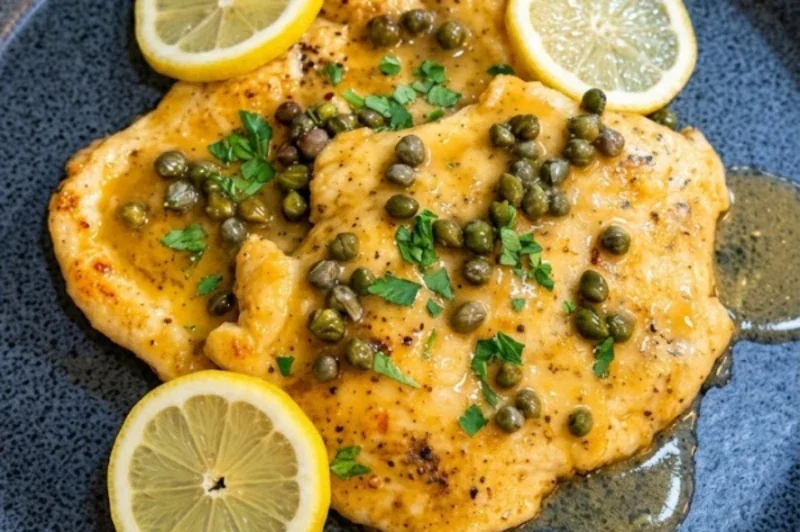
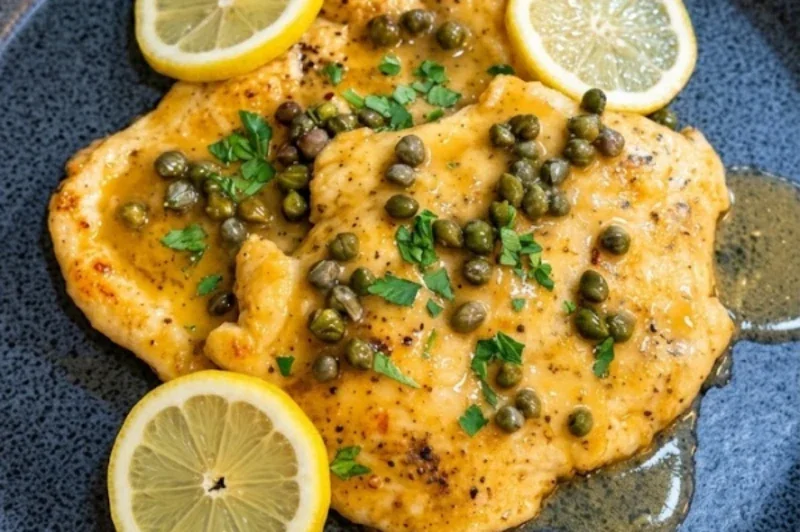
Gluten-free Chicken Piccata made using certified gluten-free options—such as certified gluten-free flour, rice flour, cornstarch, and certified gluten-free chicken broth—is an easy way to prepare a classic dish for loved ones sensitive to gluten without losing any signature flavor.
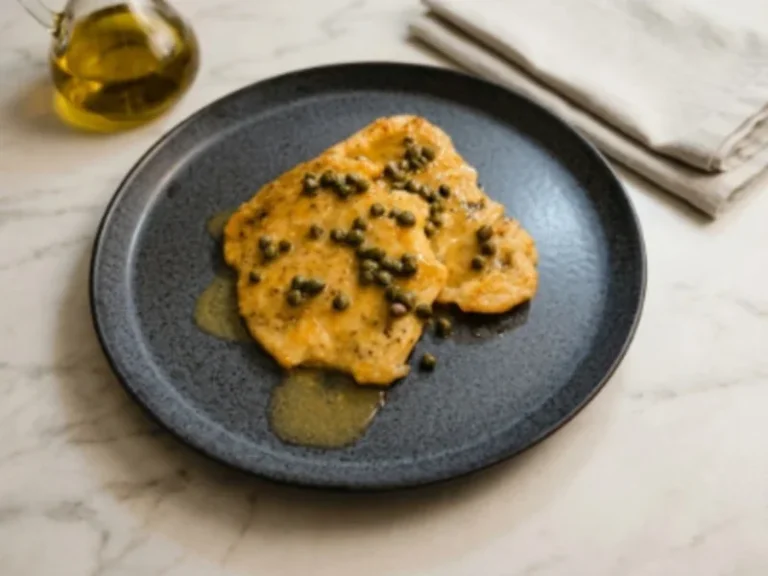
Sauteed chicken in a wine, butter, and lemon sauce with capers seems simple, but it does require technique to get it right. Follow this recipe, paying close attention to the flour and broth substitutions as well as the ingredient additions, to ensure your gluten-free chicken piccata tastes incredible.
When shopping for gluten-free products, always look for the “Certified Gluten-Free” designation on the package. These products will not contain wheat, barley, rye, or triticale (a hybrid of wheat and rye) anywhere in the ingredients list.
Sometimes the phrase “Certified Gluten-Free” can be tucked away, so you may need to search the packaging. Many standard products might seem mostly gluten-free, but manufacturers will disclose potential cross-contamination on shared processing equipment, which prevents them from earning that certified label.
Caution When Cooking Gluten-Free (Cross-Contamination)
When cooking this recipe gluten-free, we must ensure our ingredients are “Certified Gluten-Free” while also staying vigilant about cross-contamination in our own kitchens.
All kitchen equipment used for gluten-free recipes must be thoroughly washed and dried using a clean towel. For example, using a kitchen towel that was previously used on gluten-containing cookware or cutting boards can easily transfer unwanted gluten to your meal.
Restaurants maintain separate areas and equipment exclusively for gluten-free cooking to prevent this. At home, wash all your equipment thoroughly, dry it with a fresh kitchen towel, and prepare your gluten-free dishes first before making anything else.
About the Ingredients
Main Ingredients
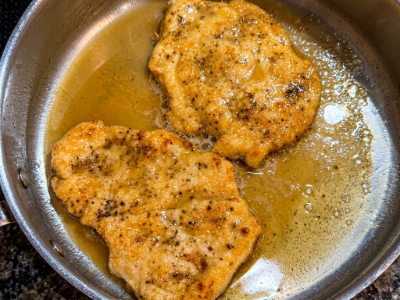
- Chicken Breasts: Using clean equipment, fillet the chicken breasts into cutlets to achieve the perfect balance of sauce to chicken. Place the cutlets under plastic wrap and pound with a mallet from the thick end to the thin end until an even 1/4-inch thick.
- Gluten-Free Flour and Cornstarch Dredge: Use a 1:1 gluten-free flour blend, such as Pillsbury’s Best Gluten-Free All Purpose Flour, to match standard flour measurements. Adding 1 to 2 tablespoons of cornstarch helps crisp the cutlet and thicken the sauce, while an optional teaspoon each of paprika and garlic powder adds rich color and flavor.
- Unsalted Butter and Olive Oil (for Sauteing): Combining olive oil and butter creates a higher smoke point that prevents burning during sauteing. The butter also helps the chicken cutlets develop a beautiful golden brown crust.
Sauce Ingredients
- Dry White Wine: A dry white wine like Pinot Grigio or Sauvignon Blanc deglazes the pan, loosening the savory browned bits to build depth and balance the rich butter. (Substitutions: Double the chicken stock for a non-alcoholic version, or use dry white vermouth if you ran out of wine.)
- Unsalted Gluten-Free Chicken Stock: Look for “Certified Gluten-Free” unsalted stocks from brands like Swanson, Kitchen Basics, Progresso, or Pacific Foods to build body and volume. Always use unsalted stock so you can manually control the salt level as the liquid reduces and evaporates.
- Fresh Squeezed Lemon Juice: Always squeeze fresh lemons for a crisp, bright acidity that defines the dish—”piccata” roughly translates to “sharp.” Bottled lemon juice contains preservatives that can turn bitter or metallic when heated.
- Capers: Capers provide a burst of tangy, floral, and salty contrast along with nice texture in the sauce. Look for nonpareil capers packed in brine, and be sure to rinse them before adding them to the pan.
- Cold Unsalted Butter (Pan Finish): Cold unsalted butter is critical during the emulsification stage off the heat. Swirling cold butter slowly into the reduced sauce prevents it from breaking and separating into an oily layer.
- Fresh Parsley & Lemon Slices: Chopped fresh parsley provides a vibrant green color contrast, while whole lemon slices or wedges add an elegant garnish.
- Garlic Powder (Optional): If you prefer not to add garlic powder to the flour dredge, you can sprinkle a little directly onto the chicken breasts along with salt and pepper to boost the overall flavor.
Tips for Success (What Makes This Piccata Perfect)
Pat the Chicken Dry
Pat the chicken dry before dredging in the gluten-free flour, as moisture on the chicken will turn the flour into a pasty layer. I salt and pepper the chicken directly, but since salt draws out moisture, pat the chicken dry right before dredging it in flour.
Why the Cold Butter Matters
Monter au beurre—also called “mounting” the sauce—is the classic French method used to emulsify your pan sauce. Warm butter releases its fat instantly on contact with heat, causing the sauce to break into an oily layer. Cold butter from the fridge melts slowly off the heat, allowing the milk solids and fats to blend seamlessly for a glossy finish.
Rinse the Capers
Capers are packed in brine or salt, so giving them a quick rinse before cooking removes excess sodium. This allows you to taste their true tangy, floral flavor rather than pure salt.
How to Control Your Salt
“You can add salt, but you can’t take it out” is a rule to live by in the firehouse kitchen. Ingredients like salted butter, salted chicken broth, and unrinsed capers can easily oversalt a dish before you even taste it. Season the chicken directly, pat it dry, and always wait to check the final sauce for salt at the very end.
Prep Everything First
Have all your ingredients prepped and ready before turn-on time. Missing a step or forgetting to chop garlic mid-cook creates unnecessary headaches and can ruin a great meal.
Make-Ahead Instructions
Prepping Cutlets
You can fillet the chicken into cutlets, pound them out, and store them flat in an airtight container separated by layers of parchment paper up to 24 hours in advance. Do not season or dredge them in flour until you are ready to saute.
Partial or Advance Cooking
You can save time by sauteing the cutlets up to 30 minutes prior to making the sauce, storing them covered at room temperature before building the sauce. Alternatively, saute them the day before, store in an airtight container in the fridge, and bring them to room temperature 30 minutes before warming them in the fresh pan sauce.
Frequently Asked Questions
Why did my sauce break or come out oily?
Sauces break when butter is added over direct high heat or if the butter was not cold straight from the fridge. You can fix a broken sauce by adding a splash of cold gluten-free chicken stock and whisking vigorously off the heat until it comes back together.
Can I use store-bought chicken cutlets?
Absolutely. Buying pre-cut chicken is a great time saver, though it may cost a few extra dollars. Just lay them out on a board first to check for even thickness and pound any thick spots if necessary.
What if the sauce is too salty?
The simplest fix is to discard the salty sauce, wipe down your pan, and rebuild a fresh sauce using unsalted ingredients. While you lose the original pan drippings, you save the entire dish and can season carefully at the end.
How do I make this for a crowd?
Saute your cutlets in batches and transfer them to a covered platter while you build a multiplied batch of sauce. Coat small batches of the chicken in the sauce, return them to the platter, and pour the remaining sauce over the entire dish before serving.
Gluten-Free Classic Chicken Piccata
Ingredients
Chicken & Dredge
- 2 large boneless, skinless chicken breasts (cut horizontally into 4 thin cutlets)
- 1 tsp each Salt and freshly ground black pepper (or to taste)
- 1 cup Gluten-free all-purpose flour or 1:1 Gluten-free flour and add 2 tbsp cornstarch
- 1 tsp paprika (Optional added to the flour to aid in coloring)
- 1 tsp garlic powder (Optional to the flour to add flavor)
Sauteing
- 2 tbsp unsalted butter
- 2 tbsp unsalted butter
The Pan Sauce
- ½ dry white wine (Pinot Grigio or Sauvignon Blanc)
- ½ Certified gluten-free chicken stock (like Swanson or Pacific food’s)
- ¼ fresh lemon juice (1 to 2 lemons reserved in a measuring cup)
- 3 capers, rinsed and drained
- 5 unsalted butter ( 2 tbsp for the saute and 3 tbsp cold for the the sauce)
- Fresh parsley, chopped (for garnish)
- Thin lemon slices (for garnish)
- Note: If you plan to make a gluten-free pasta to go with your Piccata you should increase the liquids to 1 cup each)
Instructions
Prep and Tenderize
Filet chicken breasts horizontally into cutlets, cover with plastic wrap, and pound to ¼-inch thickness. Season both sides with salt, pepper, and optional garlic powder.Dredge
Combine gluten-free 1-1 flour and cornstarch in a shallow dish (stir in optional paprika and garlic). Pat cutlets dry, dredge both sides in the mixture, and shake off any excess.Sear the Chicken
Heat olive oil and butter in a skillet over medium-low heat until shimmering. Sear cutlets in batches for 2 to 3 minutes per side until golden brown. Transfer to a plate and tent loosely with foil.Build the Sauce
Pour white wine and certified gluten-free chicken stock into the pan, scraping up browned bits. Simmer for 4 to 5 minutes until reduced by half. Remove from heat, whisk in cold butter until emulsified, return pan to low heat, and stir in drained capers.Finish and Coat
Taste sauce and adjust salt, then whisk in fresh lemon juice to taste. Return cutlets to the skillet, coating them in sauce until warmed through and thickened.Plate and Serve
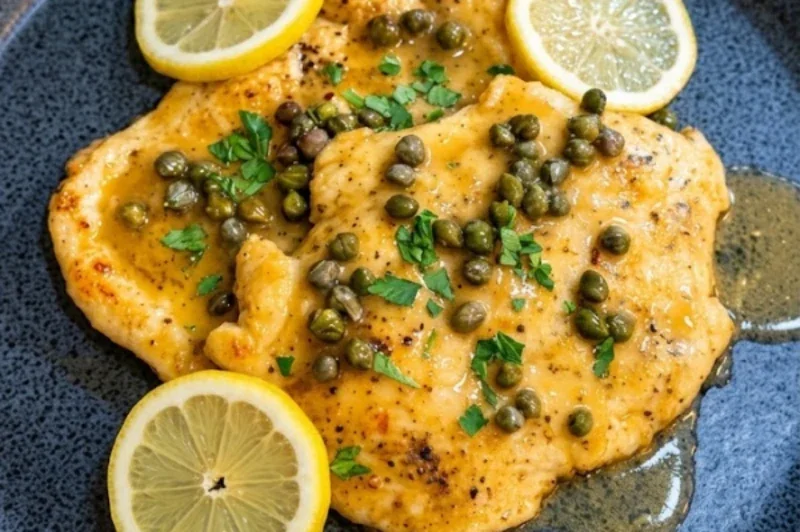
Plate chicken immediately, spoon generous pan sauce over top, and garnish with fresh lemon slices and chopped parsley.