The Ultimate Pasta Bolognese (Classic Italian Meat Sauce)
Silky pasta tossed in a rich, slow-simmered Bolognese sauce. This hearty Italian classic features a deeply flavored meat ragù that will show you how easy it is to bring your favorite Italian restaurant dish right to your own kitchen. It might just be even better!
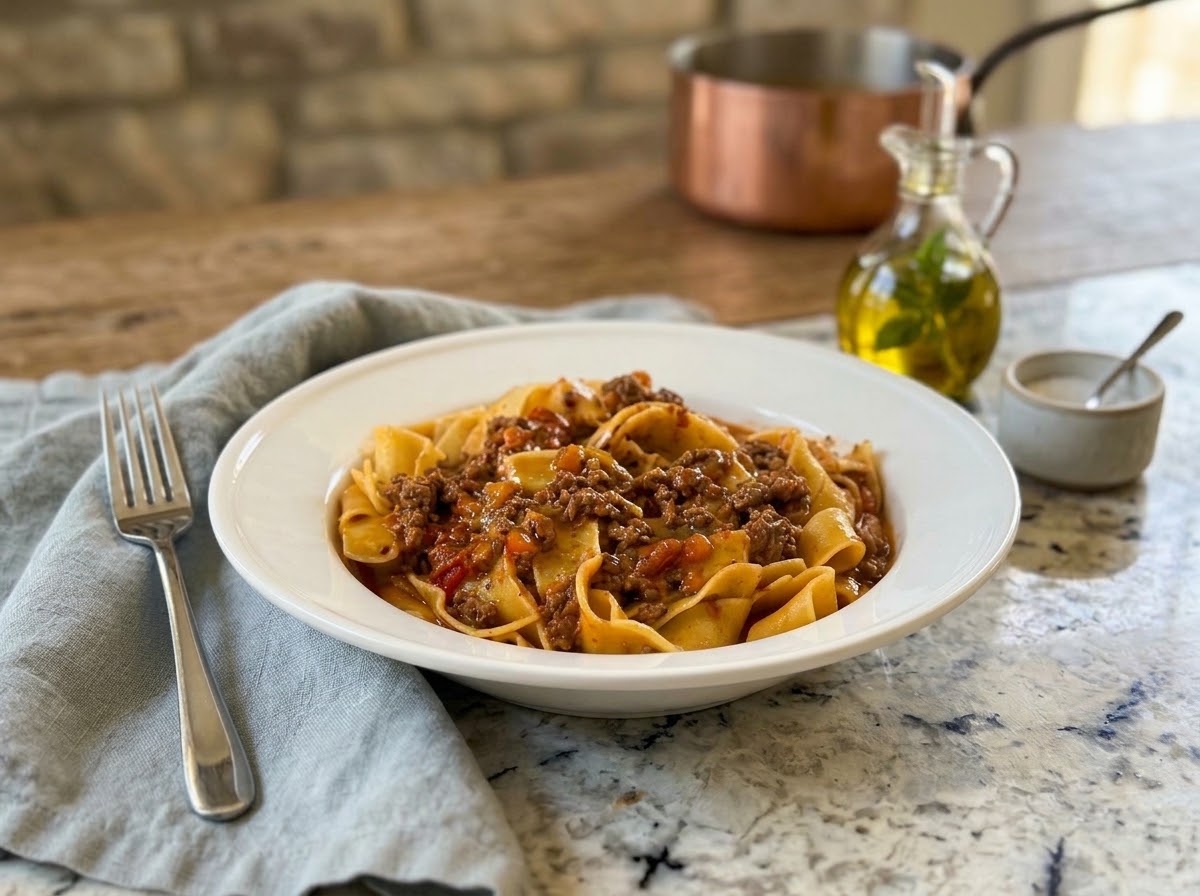
Pasta night Classic
Bolognese usually isn’t the first dish that pops into your head when it’s 4:00 in the afternoon and you’re trying to figure out dinner. Most nights, we open a couple of jars of sauce, brown some meat, let it simmer for a bit, and call it Bolognese. And hey, that works! You might even throw in a few spoonfuls of jarred sofrito or a splash of milk to bring it closer to the real thing. But then… there’s the real thing. Slow-simmered, built with fresh ingredients, and crafted with an authenticity that just might taste better than your favorite restaurant.
Why You’ll Love This Recipe
Whether it’s a special family dinner, a cozy rained-out date night at home, or a Saturday evening with friends, breaking out a slow-simmered pasta Bolognese always sets the mood. It’s comforting, classic, and a dish most people only get to enjoy at a white-tablecloth restaurant. But in this recipe, you’ll see just how simple it is to make right in your own kitchen. Using simple staples you likely already have in your pantry, this slow, flavor-building simmer leaves you with a clean kitchen at the end—and gives you plenty of time to relax while everyone keeps wandering in asking, “When’s dinner?”
Key Ingredients & Building the Sauce
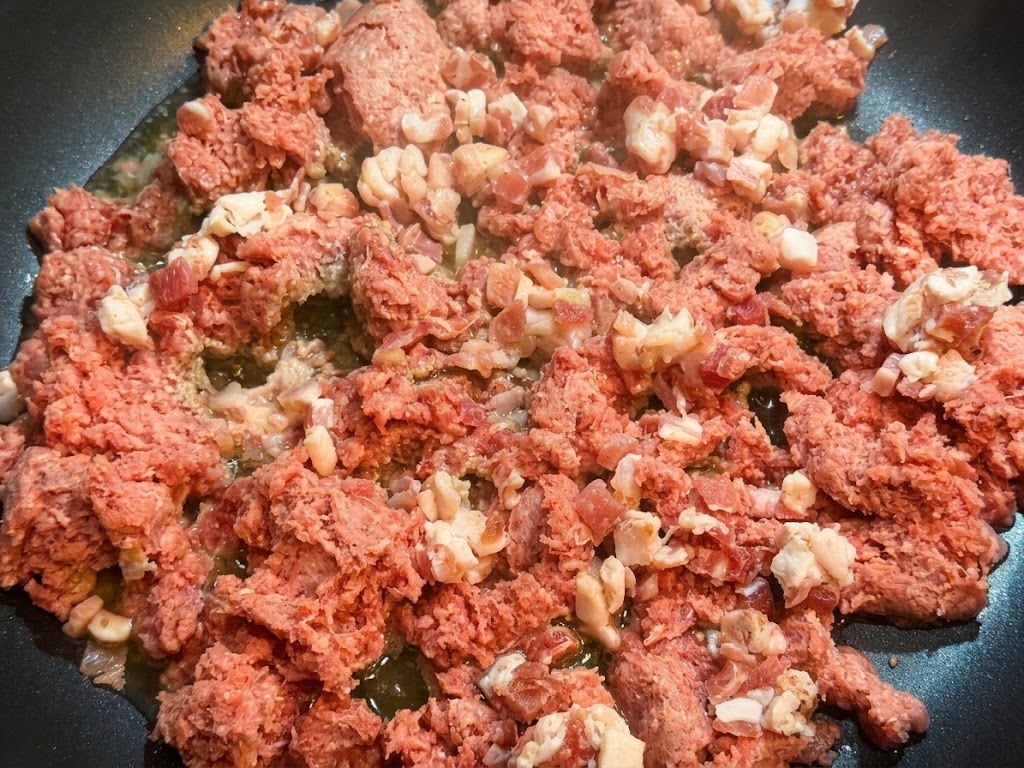
The Meat & The Secret Weapon
A traditional Italian ragù relies on a base of ground beef, pork, and veal. Since ground veal can be nearly impossible to track down at the local grocery store these days, we rely on ground beef and pork. But to give the sauce the rich, complex profile it deserves, I use pancetta instead of ground pork. Diced pancetta brings an intense, savory depth straight from the pork belly that elevates the entire meat base. Tip: Because pancetta is naturally cured and seasoned, always taste your sauce as it builds before reaching for extra salt.
The Sofrito & Blooming the Aromatics
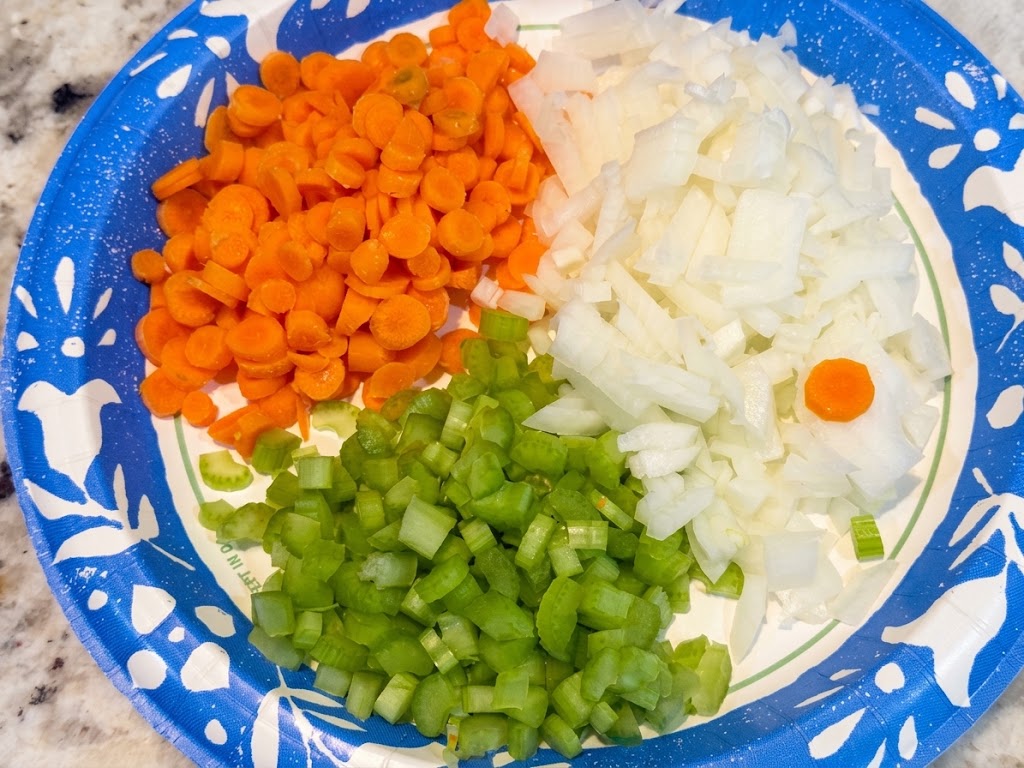
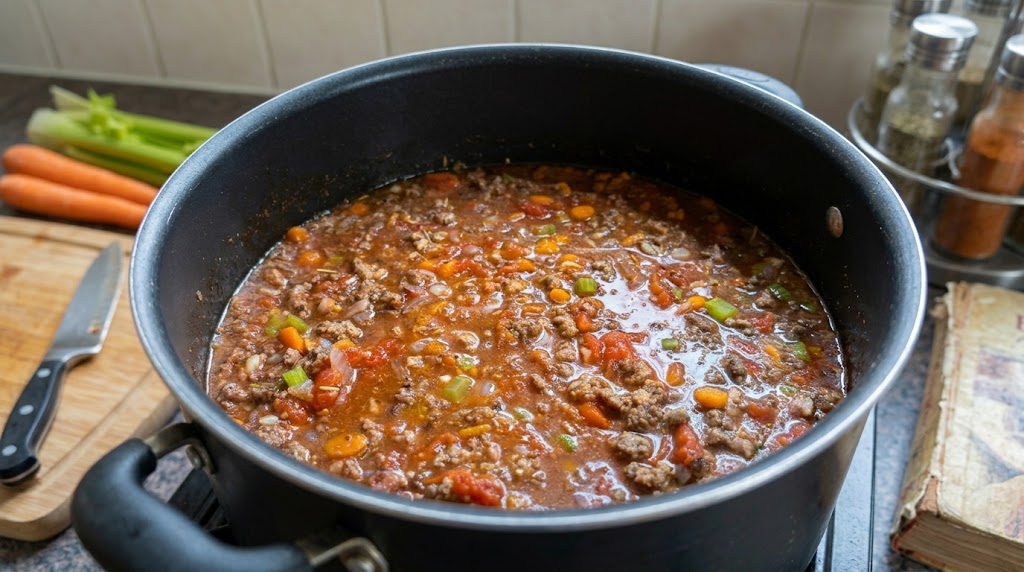
Every great Bolognese sauce starts with a traditional sofrito—a finely diced combination of celery, carrots, and onions. Once cooked until soft with minced garlic, we stir in the tomato paste and herbs directly into the hot pan. Sauteing the paste for a minute before adding liquids caramelizes the natural sugars and lets those deep tomato flavors bloom.
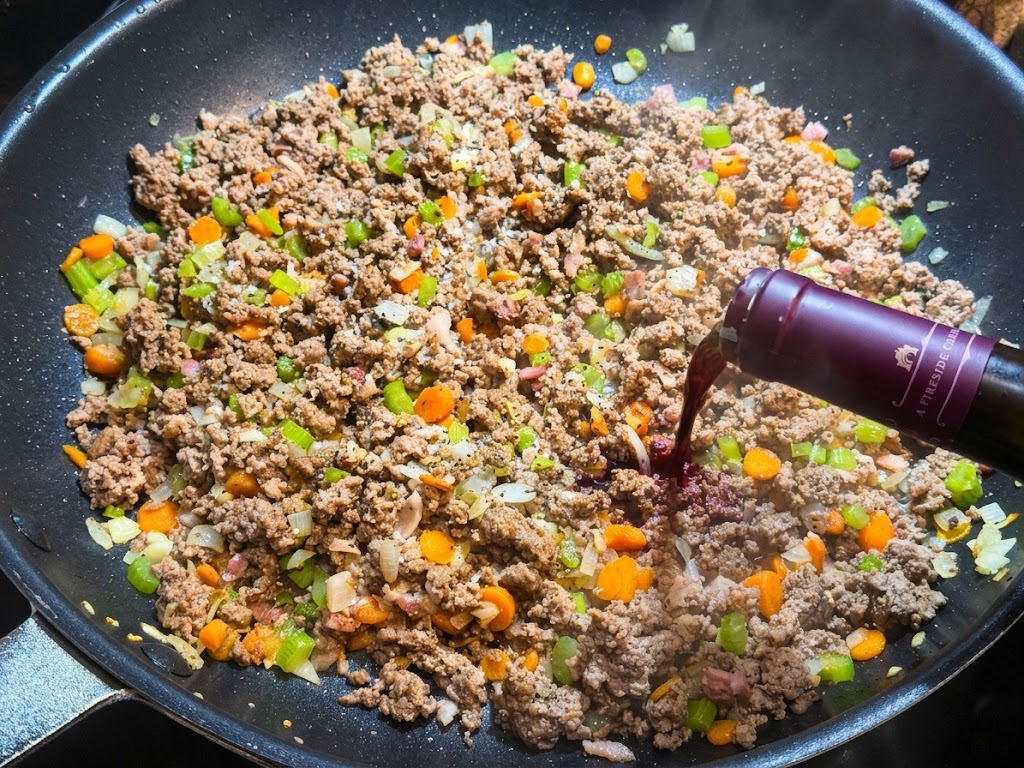
The Simmer: Wine, Tomatoes & Parmesan Rinds
To prepare for our slow simmer, we deglaze the pan with a pour of dry red wine and rich beef broth, then stir in whole, hand-crushed San Marzano tomatoes. A couple of tablespoons of white wine vinegar are added to provide just the right splash of acidity to balance the rich beef. Finally, we drop in a couple of Parmesan rinds (you can usually find small tubs of pre-packed rinds at Whole Foods or the specialty cheese counter). As the sauce bubbles low and slow, the rinds melt down, infusing the ragù with an unmistakable umami flavor.
The Silky Finish
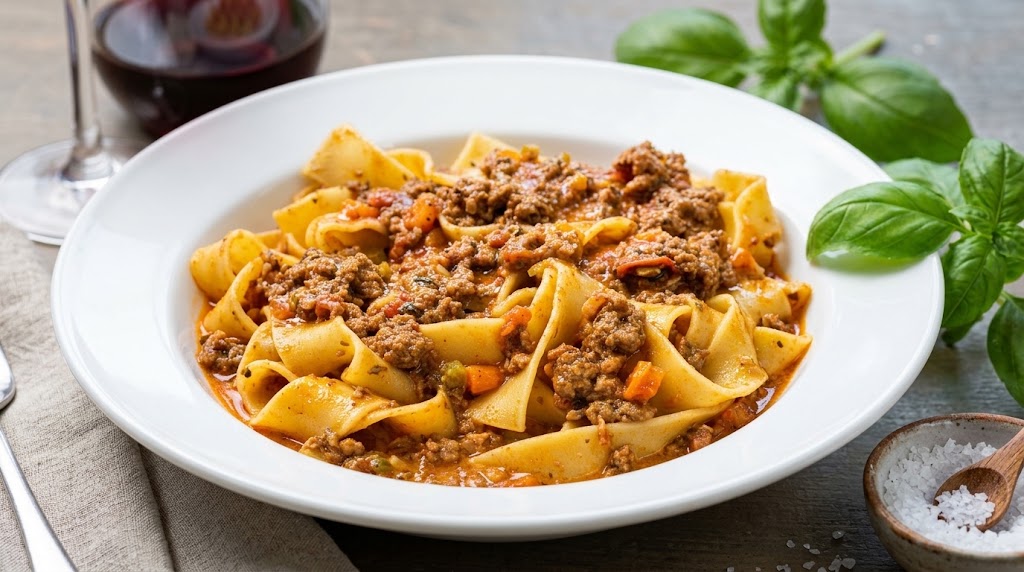
Just before serving, we stir in a splash of heavy cream, half-and-half, or milk to round out the acidity and give the sauce its signature velvet finish, along with a tiny pinch of nutmeg. After a final tweak of salt and pepper, the sauce is ready to cling to wide ribbons of pappardelle or hearty rigatoni. Top with freshly grated Parmesan, and you have a restaurant-worthy dish made right at home.
Here’s the Bolognese in 3 Easy Steps
- Brown the Meats & Build the Base: In a heavy-bottomed Dutch oven over medium-high heat, crisp the diced pancetta to render its fats, then add the ground beef and cook until browned. Stir in the finely diced carrots, celery, onions, and minced garlic, cooking until soft and translucent. Add the tomato paste and fresh herbs, sautéing for one minute to bloom the flavors.
- Add Liquids & Slow Simmer: Deglaze the pan with dry red wine, scraping up the browned bits. Pour in the beef broth, hand-crushed San Marzano tomatoes, and white wine vinegar, then drop in the Parmesan rinds. Bring to a gentle bubble, turn the heat to low, cover partially, and simmer for 1 to 2 hours until thick, glossy, and rich. Taste and adjust the seasonings.
- Finish & Serve: Remove the Parmesan rinds and bay leaf. Stir in a splash of heavy cream (or milk) and a tiny pinch of nutmeg, cook a bit more, and then to serve, mount the combined pasta and sauce with butter, stirring and tossing in a pan right before serving.
Pro Tips & Chef Tricks
- Hand-Crush the Tomatoes: Skip the food processor. Hand-crushing whole San Marzano tomatoes in a large bowl leaves textured bits of tomato that grab onto the meat and pasta.
- Finish Pasta IN the Sauce: Never ladle plain sauce over dry, un-seasoned pasta! Transfer cooked, al dente pasta directly into the sauce pot along with a splash of starchy pasta water. Toss vigorously for 1 to 2 minutes so the pasta absorbs the ragù. Mount with a pat of butter and toss to get that gloss.
- Don’t Rush the Simmer: Time is an ingredient here. Low heat breaks down the meat collagen, giving you that melt-in-your-mouth texture.
- Fun trick to make Bolognese: If you’re really crunched for time and you are making some basic pasta and meat sauce for dinner, you can add a couple of heaping tablespoons full of Sofrito from a jar, stir it in, add some cream or milk and you just made a quick Bolognese.
How to Serve
- Garnish: Generously top with freshly grated Parmigiano-Reggiano or Pecorino Romano
- Sides: Serve alongside warm, crusty garlic bread and a crisp green salad tossed in a light lemon vinaigrette to balance the hearty pasta.
Storage & Reheating Instructions
- Refrigeration: Store cooled leftover sauce in an airtight container in the refrigerator for up to 4 days.
- Freezing: Bolognese freezes exceptionally well! Transfer cooled sauce into freezer-safe containers or bags and freeze for up to 3 months. Thaw overnight in the fridge before reheating.
- Reheating: Reheat low and slow in a saucepan on the stovetop over medium-low heat. Add a tiny splash of water, beef broth, or extra cream if the sauce has thickened up in the fridge.
Frequently Asked Questions
Can I make this Bolognese in a Slow Cooker?
Yes! Brown your meats and vegetables on the stovetop first to build flavor, then transfer everything to your slow cooker on LOW for 6–8 hours. Follow the rest of the directions once the sauce is cooked.
Why add vinegar to a meat sauce?
Rich meats and butter contain heavy fats. A small tablespoon or two of acid like white wine vinegar brightens the overall flavor profile and cuts through heavy richness without making the sauce taste acidic or vinegary. Youc an also use red wine or apple cider vinegar, even another splash of wine.
What is the best pasta shape for Bolognese?
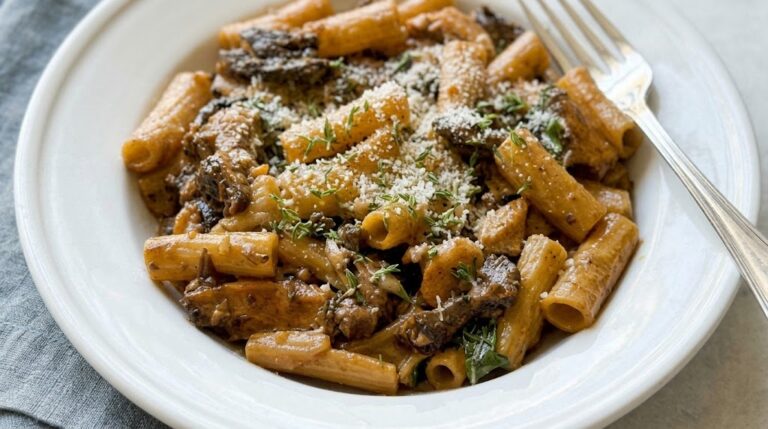
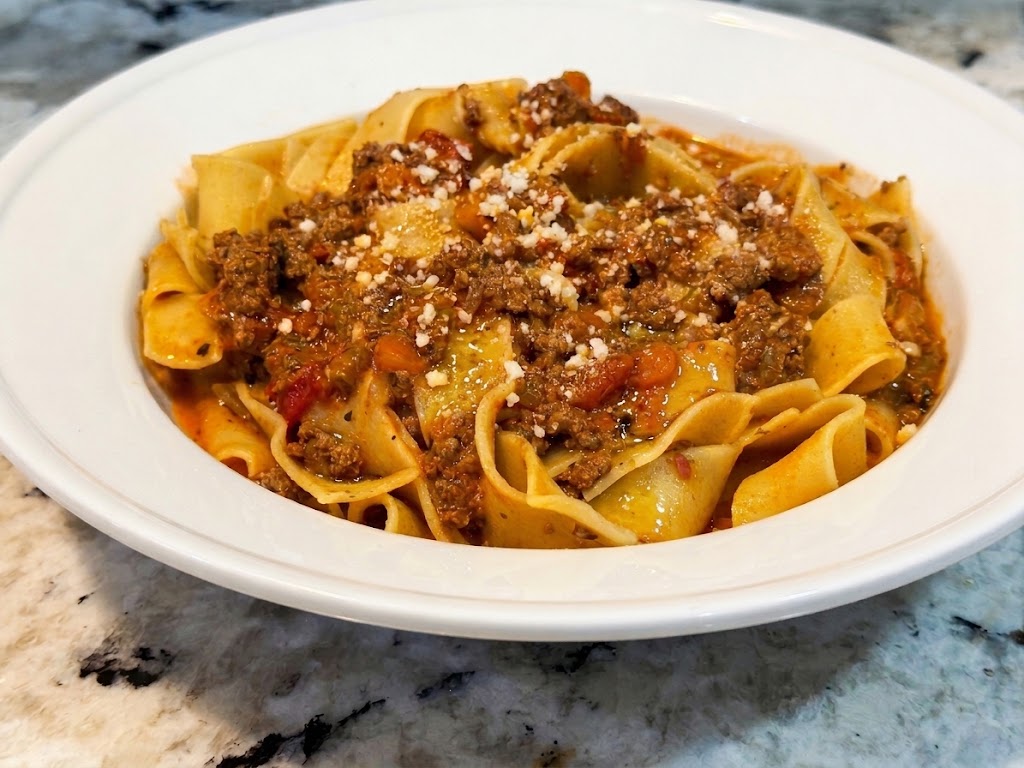
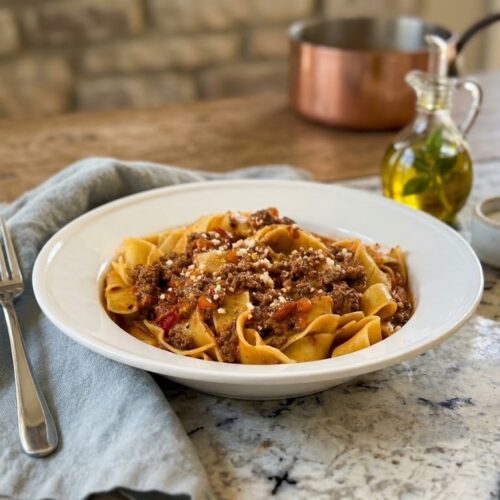
Wide, flat ribbons such as Tagliatelle or Pappardelle are traditional because their wide surface area holds the heavy meat bits. This pasta can be made fresh using my how to make pasta recipe. Tube shapes like Rigatoni or Penne Rigate are also fantastic choices. I prefer Rigatoni, I just did not happen to have it on hand when I made this for the blog.
The Ultimate Pasta Bolognese (Classic Italian Meat Sauce)
Ingredients
- 2 tbsp extra virgin olive oil
- 4 oz pancetta, finely diced
- 1 large yellow onion, finely diced
- 2 medium carrots, finely diced
- 2 stalks celery finely diced
- 4 cloves garlic, minced
- 2 tbsp tomato paste
- 2 lbs ground beef, drained
- 1 cup dry red wine (cabernet or chianti)
- 1 cup heavy cream or whole milk whatever you have on hand
- 1 tbsp white wine vinegar (optional for additional acidity)
- 2 Parmesan rinds
- 1 tsp each dried basil, dried oregano
- ½ tsp dried rosemary
- ¼ tsp grated nutmeg, a pinch will do
- 2 bay leaves
- Salt and freshly ground black pepper, to taste
Pasta and Garnish
- 1lb Pappardelle or Rigatoni
- grated Parmesan
- 1 can 28 oz San Marzano tomatoes, hand crushed use D.O.P labeled is best
Instructions
- Heat olive oil in a large Dutch oven over medium heat. Cook pancetta 4-5 mins until crisp. add onion, carrots, and celery, saute until soft. stir in garlic and tomato paste and cook until fragrant, about 1 minute
- Raise heat to medium-high, add ground beef and cook until browned. Season with salt pepper, basil, oregano, and rosemary
- pour in the red wine, scraping the bottom of the pot, and simmer a few minutes until reduced by half. add beef broth, San Marzano tomatoes, parmesan, bay leaf, and white wine vinegar and simmer for 1½ hours, covered loosely and stirring occasionally.
- stir in the cream and add the nutmeg and re-cover loosely and simmer for another 30 minutes. (if the sauce is to thick add a splash or 2 of the broth. Meanwhile get a pot of boiling salted-water going and cook your pasta. Reserve some pasta water once cooked.
- Remove the parmesan rind and bay leaf adjust seasoning, add a ladle of pasta water to the sauce.
Serving the dish
- ladle out some sauce into a sauce pan and add the portioned pasta directly to the pan with a pat of butter and toss until butter melts and the pasta is glistening. Serve with topped with grated parmesan. and a slice of crusty bread.